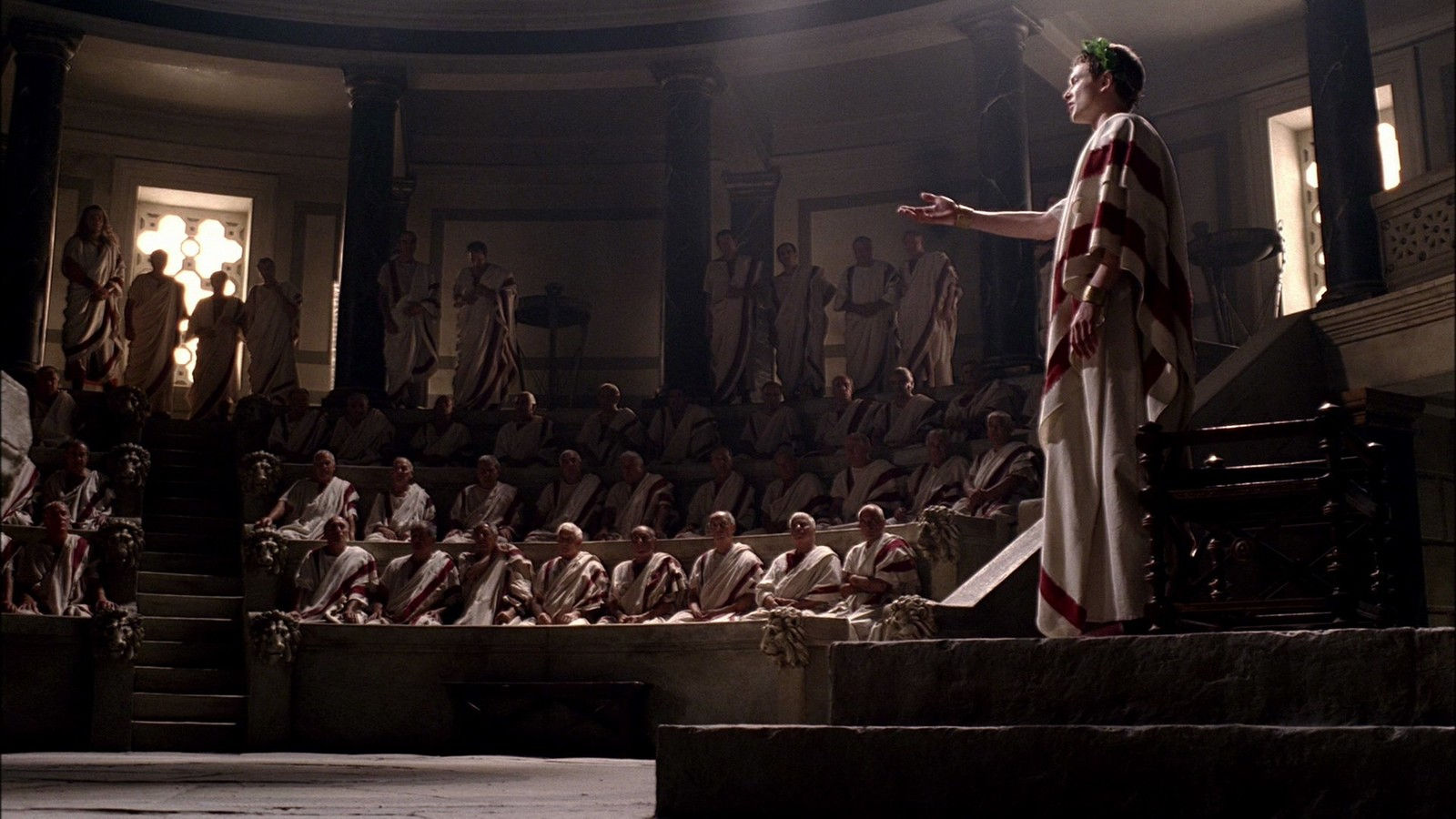

The Great Controversy Between Keynes and Hayek

Born in 1899 in the ailing Austro-Hungarian Empire, Friederick Hayek is to me the most under appreciated economics intellectual in history. Hayek grew to an intellectual maturity that is seldom the case with our men today. Hayek is one of the few men in history to connect the dots and see the chains of slavery emanating from Rome. He saw that the battle between competing ideas in economics was just a mask of a greater philosophical and existential struggle between good and evil. When the great depression struck in 1929, Hayek seriously campaigned to have governments adopt his principles in dealing with the problem. However since people were hungry, and the politicians more afraid of the electorate, he was swiftly sidelined in favor of the Keynesian model of economics, generally a top down approach. As the government's involvement and bailout of failing companies and banks increased, governments generally became too big, and too controlling. Ideally, he reasoned, that all freedoms are based on individualism. The basic component of freedom is individuality. That which destroys individuality and herds individuals into a commune is ultimately working against the unalienable freedoms of mankind. It is with this conviction that he penned down his book in the middle of the second world war titled 'The Road to Serfdom'...we shall have much to quote from this book in 'Of Thought and Its Freedom' because the destruction of Freedom in principle was accomplished through the annihilation of the Individual in practice.
Comments